
The United Arab Emirates continues to attract entrepreneurs and investors from around the world. Its Free Zones, in particular, are widely regarded as gateways to international markets due to benefits such as foreign ownership, competitive taxation, and streamlined incorporation processes.
However, alongside these advantages, several misconceptions circulate online and offline. These misunderstandings often lead new business owners to make structural decisions that later require correction — sometimes at significant financial and operational cost.
This article clarifies the most common Free Zone myths and explains the realities behind them.
One of the most widespread assumptions is that registering in a UAE Free Zone guarantees a 0% corporate tax rate.
While certain Free Zone companies may benefit from a 0% rate, this is not automatic. To qualify, a business must meet the criteria of a Qualified Free Zone Person (QFZP) under UAE Corporate Tax regulations. This includes:
If these conditions are not satisfied, a 9% corporate tax rate applies to taxable income above the applicable threshold.
Therefore, tax outcomes depend not merely on jurisdiction selection, but on business structure, income type, and compliance planning.
Another common belief is that every Free Zone company must lease a traditional office space.
In practice, office requirements vary depending on:
Many Free Zones now provide alternatives such as flexi-desks, shared facilities, or smart office solutions. While certain activities may require dedicated office space, others may operate efficiently with more cost-effective arrangements.
Understanding the operational requirements before committing to a lease can prevent unnecessary overhead.
Although Free Zones share core principles such as foreign ownership and simplified setup, they differ significantly in their focus, cost structures, and regulatory frameworks.
Some Free Zones specialize in specific industries such as:
Differences may include:
Selecting a Free Zone solely based on initial setup fees can result in operational limitations or higher long-term expenses. Strategic alignment between business model and jurisdiction is essential.
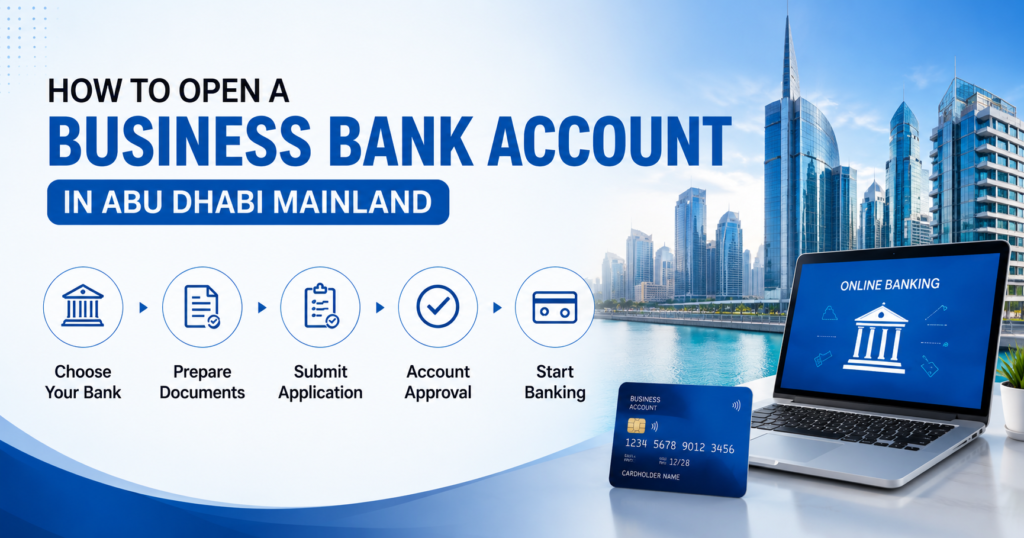
Myth 4: Opening a Corporate Bank Account Is Nearly Impossible
Banking procedures in the UAE have become more compliance-driven in recent years. Enhanced due diligence, anti-money laundering measures, and regulatory scrutiny have increased documentation requirements.
However, corporate accounts for Free Zone companies remain achievable.
Successful account opening typically depends on:
Delays often occur when businesses are formed without considering banking expectations at the outset.
The underlying issue behind most Free Zone misconceptions is not misinformation alone — it is the absence of strategic planning.
A company’s:
are influenced by decisions made during incorporation.
Once established, restructuring can involve additional costs, amendments, or regulatory adjustments.
Professional advisory firms such as Ofin Global focus on aligning incorporation strategy with long-term business objectives. Rather than treating setup as a procedural task, the emphasis is placed on:
This approach reduces uncertainty and improves operational efficiency from the outset.
The UAE remains one of the most competitive and business-friendly environments globally. Free Zones continue to provide strong advantages for entrepreneurs, startups, and international companies.
However, assumptions can be costly.
Understanding the regulatory framework, tax conditions, and operational implications before incorporation ensures that a Free Zone company is not only established quickly — but structured correctly.
Clarity at the beginning often determines sustainability in the long term.
Ready to launch your company the right way?

India: +91 9410 247 247
UAE: +971 50 523 5779
Email: support@ofinglobal.com
Address: C – 3, Shanti Bhuvan, Dr Rajendra Prasad Rd, Mulund West, Mumbai 400080
Address: Unit No: 3O-01-5148 Jewellery & Gemplex 3 Plot No: DMCC-PH2-J&GPlexS Jewellery & Gemplex – Dubai – United Arab Emirates